
200 mg elemental
Per 2-capsule serving — 48% of the Daily Value. This is the number worth comparing between brands.
2,000 mg chelate
The compound weight it takes to deliver that 200 mg. Brands that print only this figure are flattering themselves.
45 servings
90 capsules at two per day. Forty-five days from one bottle, not a fortnight.
0 mg oxide
No cheaper magnesium salt blended in to inflate the milligram count on the front label.
Read the panel first
Most magnesium marketing happens above this box. We would rather you started inside it — the elemental figure is listed first, because that is the only line that compares cleanly between brands.
Take 2 capsules daily with water, preferably in the evening alongside food.
Consistency beats timing — take it at roughly the same hour each day.
Do not exceed the stated serving. Store sealed, below 25°C, away from direct light.
Two ingredients. We'll name both.
Turn most magnesium bottles around and the list runs to eight lines. Ours runs to two, and neither of them is there to make manufacturing cheaper.
Magnesium Bisglycinate Chelate
Magnesium held by two molecules of glycine. The chelate is what carries it through digestion intact — and glycine is a calming amino acid in its own right.
Vegetable Capsule
A plant-derived cellulose shell. No gelatin, no magnesium stearate, no flow agents, nothing else in the bottle.
Macro of the supplement facts panel filling the frame, with the 200 mg elemental row circled by hand in fine crimson marker on a printed label proof. Shallow depth of field, the ringed line sharpest. Note: this box crops to 4:3 — keep the ringed row near the centre.
2,000 mg of compound. 200 mg of magnesium.
Only one of those two numbers is comparable, and it is the smaller one. Every chelated magnesium carries this gap, because the amino acid doing the carrying weighs something too.
We print both figures because hiding the difference is the oldest trick on the shelf. Once you know to look for the elemental line, you can check any bottle in the aisle — including ours.
- 2,000 mg is the weight of the whole chelate — magnesium plus the glycine carrying it.
- 200 mg is the elemental magnesium your body actually counts.
- A bottle advertising "2,000 mg magnesium" on the front is quoting the first number and hoping you read it as the second.
What magnesium is actually doing
Not a mood, not a promise — the specific, established roles the mineral plays.
Built for the evening
Magnesium contributes to normal psychological function, which is why glycinate tends to sit at the end of the day rather than the start of it.*
Muscle and nerve function
Magnesium contributes to normal muscle function and to the normal functioning of the nervous system — the everyday work it is best known for.*
A cofactor, not a stimulant
Magnesium acts as a cofactor in hundreds of enzymatic reactions, including those that turn food into usable energy.*
Kind to your stomach
Chelated rather than left as a loose salt, so it does not sit unabsorbed in the gut the way oxide and citrate can at higher servings.
Three small white dishes in a row on light grey seamless, each with a plain card reading OXIDE, CITRATE, BISGLYCINATE in the same typeface. Even overhead light, shot from roughly 30 degrees. Only the third dish in full focus.
Three common forms. We use one.
Nobody bounces off a magnesium page because they doubt magnesium. They bounce because three bottles on the shelf say the same word and cost wildly different amounts.
We sell citrate too, and we will happily tell you when it is the better choice. What we will not do is sell you oxide and call it the same thing.
- Oxide — cheap per milligram because very little of it is absorbed. The rest is why it has its reputation.
- Citrate — well absorbed and genuinely useful, with a mild laxative effect some people specifically want during the day.
- Bisglycinate — chelated to glycine, absorbed well, and the one that stays comfortable in the evening.
What gets checked before a batch ships
A supplement is only ever as good as the specific batch in your hand.
Identity
Confirming the raw material is bisglycinate chelate and not a blend cut with a cheaper salt.
Potency
Confirming the elemental magnesium in the capsule matches the 200 mg printed on the panel.
Heavy metals
Screening for lead, arsenic, cadmium and mercury against established limits before release.
Traceability
Every finished bottle ties back to its production run through the lot number on the base.
How to judge it in 30 days
No loading phase, no cycling, no protocol to memorise.
Two capsules, with your evening meal
Food is not required, but it makes the first few servings easier if you are sensitive. One capsule for the first three nights is a reasonable way to start.
Same hour, every night
Magnesium status builds gradually. A steady daily serving does more than a large occasional one, and skipping days is the most common reason people conclude it did nothing.
Reassess honestly
Thirty days is long enough to form a view. The money-back window runs to day 30 for exactly that reason — you should not have to decide before you know.
Three that work different shifts
Glycinate settles the evening. Citrate keeps daytime metabolism and regularity moving. Molecular hydrogen dissolves into your water and supports the body's own antioxidant defences.* One note if you take the two magnesiums together: count the combined elemental magnesium, not the bottles.
Free tracked shipping and 30-day returns on every order.

Magnesium works on muscles. NAD+ works inside the cell.
Magnesium does its job at the level of muscles and nerves. NAD+ operates a layer below that — it is a coenzyme found in every living cell, central to turning nutrients into usable energy, and the substrate that the sirtuin and PARP enzyme families draw on, including the pathways the body uses to repair DNA.*
Its availability falls as we age, which is why it has become one of the most studied compounds of the last decade. If you are already covering the evening with glycinate, this is the one that covers the morning.
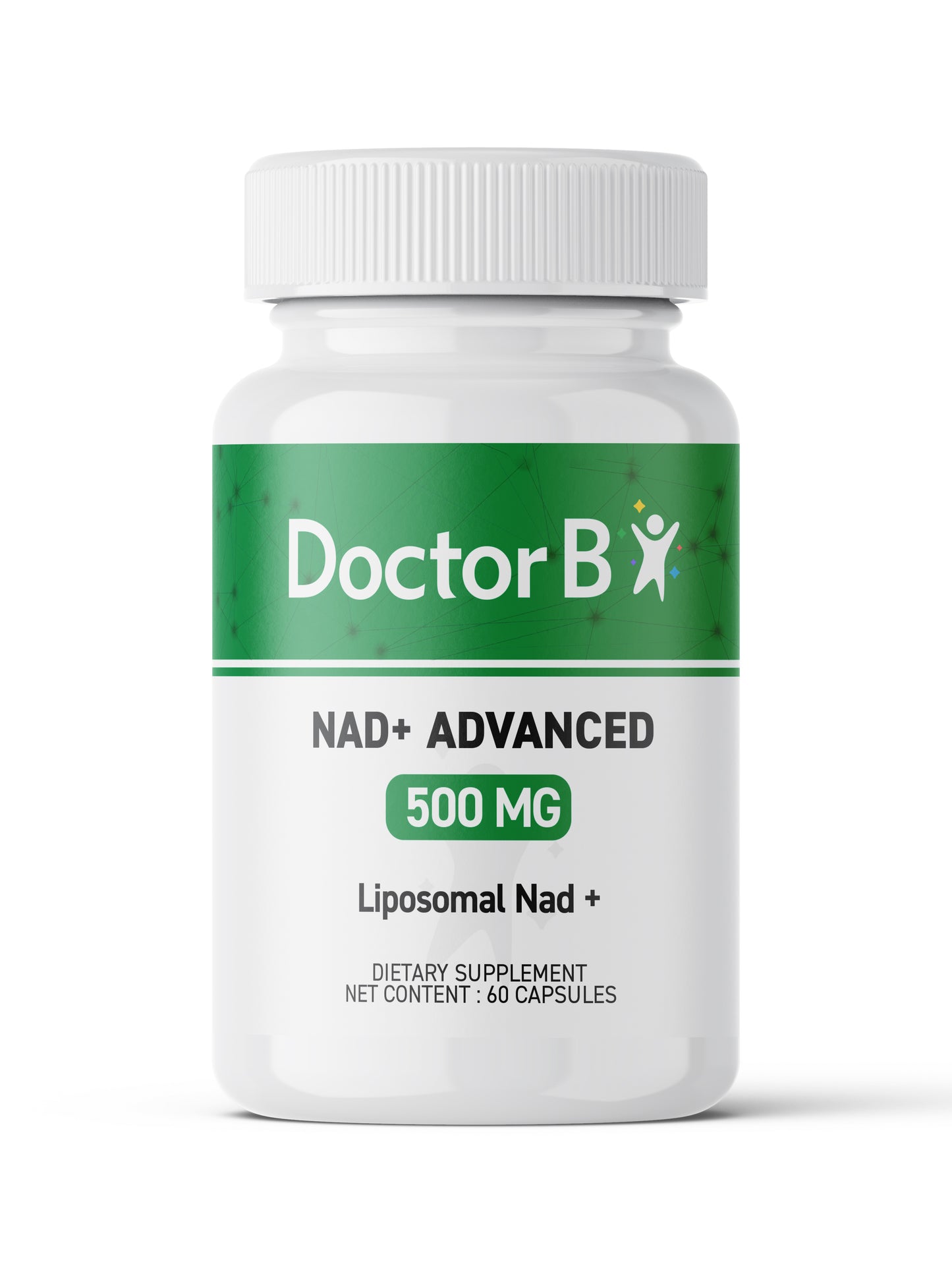
- 500 mg liposomal NAD+ per serving — 60 capsules
- A coenzyme present in every living cell, central to energy metabolism*
- The substrate that sirtuin and PARP enzymes draw on*
- A morning habit — it sits opposite the evening magnesium rather than competing with it
Questions we get from label readers
Including the two we would rather answer than dodge.
You have no reviews yet. Why should I trust this?
Fair question, and we would rather answer it than quietly display stars we have not earned. There are no reviews on this page because there are not enough customers yet to write honest ones, and we are not going to invent them.
What you can check instead: the full supplement facts panel is on this page, not hidden behind a thumbnail. The ingredient list is two lines long and both are named. Every bottle carries a lot number. And the 30-day money-back window means the risk of finding out sits with us, not with you.
Why is this $10 more than your Magnesium Citrate?
Because chelation costs more than milling a salt. Binding magnesium to two glycine molecules is a slower process, and it takes 2,000 mg of the finished chelate to deliver 200 mg of elemental magnesium — so there is simply more material in every capsule.
We could close the gap by blending in some oxide and keeping the front-label milligram number the same. We do not. If daytime regularity is what you are after rather than evening calm, the citrate is genuinely the better buy and we would rather you bought that.
What is the difference between glycinate and citrate?
Glycinate is magnesium bound to the amino acid glycine — well absorbed and gentle on digestion, which is why it suits evening use. Citrate is bound to citric acid; also well absorbed, but with a mild laxative effect at higher servings that some people specifically want. Plenty of people use glycinate at night and citrate during the day.
When should I take it?
In the evening, with or shortly after food. There is nothing wrong with a morning serving, but most people find glycinate fits the end of the day better.
Will it upset my stomach?
Far less likely than oxide or citrate. Bisglycinate is chelated, so it is not sitting unabsorbed in the gut drawing in water. If you are sensitive, start with one capsule for the first few nights.
Can I take this together with your Magnesium Citrate?
Yes, but count the magnesium rather than the bottles. Two capsules of this give you 200 mg of elemental magnesium and the citrate adds its own on top. Keep the combined daily intake from supplements sensible, and speak to your doctor if you take medication or have any kidney concern.
Is the capsule vegan?
Yes. The shell is HPMC, a plant-derived cellulose. There is no gelatin and no animal-derived ingredient anywhere in the formula.
How long does one bottle last?
90 capsules at the recommended two per day is 45 days.
90 capsules. 45 servings. 200 mg elemental.
Thirty days to decide, and your money back if it is not for you.
Add to cart